For decades, complimentary bread baskets, chips and salsa and other precursor bites were an expected part of the restaurant dining experience, particularly in full-service and casual dining spots across Georgia and the Southeast. They were symbols of hospitality and abundance, meant to welcome guests and set the tone for the meal ahead. But across the country, those once “free” staples are quietly disappearing or reappearing with a price tag.
The shift isn’t about restaurants becoming less generous. It reflects rising costs, sustainability concerns and a changing understanding of value. Operators are asking whether it still makes sense to give away increasingly expensive products to guests that often leave them unfinished. As margins tighten and ingredient costs fluctuate, restaurateurs are taking a closer look at long-standing practices that no longer align with today’s economic realities.
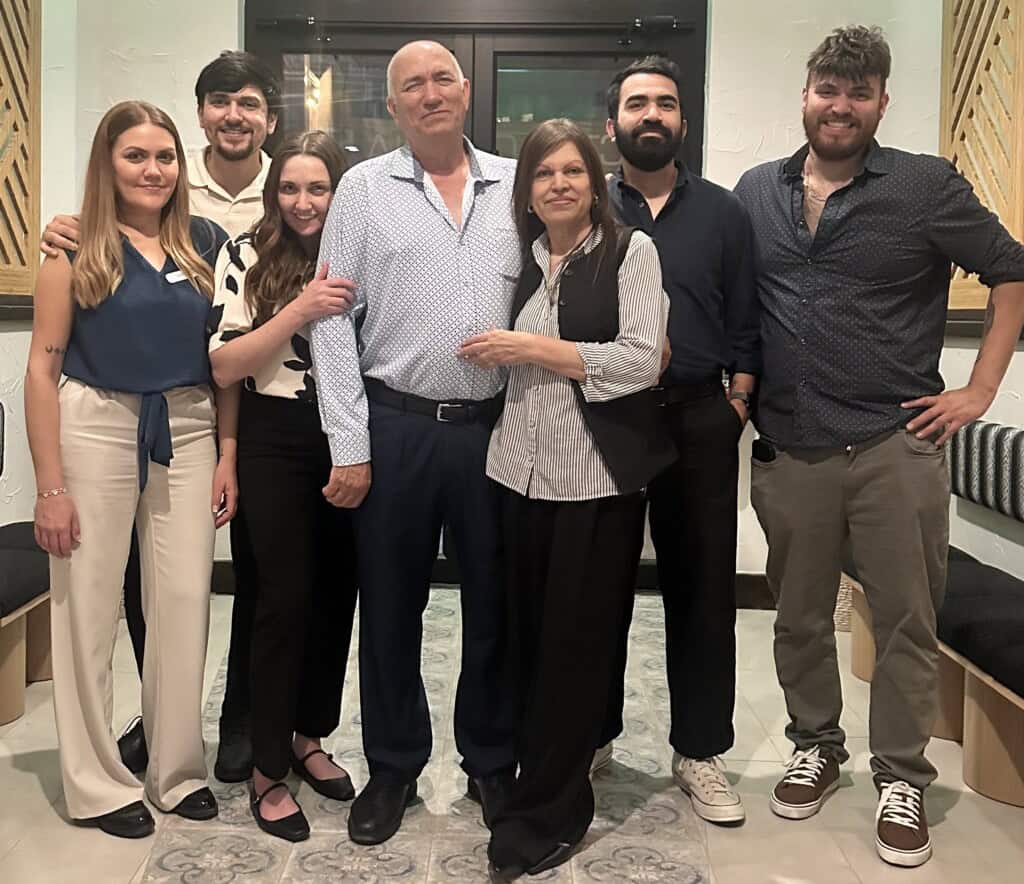
At Baraonda Ristorante & Bar, owner and chef Costanzo Astarita faced this decision when moving the restaurant from its long-time Midtown home. At Baraonda’s first location near the Fox Theater, complimentary bread and olive oil were standard. When the restaurant reopened on Roswell Road in Sandy Springs, Astarita decided on a different approach.
Rather than eliminating bread service, Baraonda reframed it as a purposeful optional menu item. Guests can now order ciabatta and focaccia served with extra-virgin olive oil and olive tapenade for a $6 charge that helps limit unnecessary leftovers. The shift allows the restaurant to maintain quality while being more intentional about what reaches the table.
“We were seeing a significant amount of bread and olive oil go to waste,” says Astarita. “That’s never ideal from a sustainability standpoint. Combined with rising food and labor costs, it became hard to justify giving away a higher quality product that wasn’t fully consumed.”
Astarita now purchases high quality breads from Tribeca Oven and finishes them in house daily. He says the portion is a fair size, and guests rarely ever ask for more.
He said under his old model, giving away bread was hard to build into the menu price of other items, because guests would ask for balsamic vinegar, parmesan cheese and red pepper flakes and try to make their own dipping sauces. When customers view something as “free,” they often don’t recognize the expense involved.
The silver lining is that most diners have responded positively to Baraonda’s change, and they seem to understand the desire to be more mindful. Some still expect bread service to remain complimentary, but Astarita finds that explaining the upgraded and optional nature usually wins them over. For many guests, the transparency behind the decision helps reframe expectations.
A More Sustainable Solution
Baraonda’s experience mirrors a broader trend. Many restaurants are moving away from automatically providing free starters and instead offering them as menu items that elevate the appetizer section. That includes specialty breads with house-made spreads, curated olive oils or chips with an assortment of salsas. In some cases, these offerings are becoming signature starters rather than background extras.
“The focus has shifted from ‘free’ to ‘intentional,’ with restaurateurs offering something more distinctive and curated,” says Astarita.
Charging for these items allows restaurants to justify better ingredients and more creativity, and the practice yields far less unused product. Starters are increasingly positioned as part of the dining experience rather than an afterthought. For operators, it also creates flexibility to manage costs without raising prices across the entire menu.
“Offering complimentary bread at the quality level guests expect today isn’t sustainable,” says Astarita. “Downgrading the product would detract from the dining experience. Charging separately also avoids raising prices across the board, which would affect diners who don’t consume bread or chips due to dietary preferences or allergies.”
 A Welcoming Bite
Not every restaurant, however, is inclined to move away from this long-standing component of dining service. Some remain committed to preserving complimentary starters like chips and salsa as a core part of their identity. In cuisines where shared starters are deeply tied to culture and hospitality, removing them could feel like a loss rather than a modernization.
At CT Cantina, offering chips and salsa is viewed as an expression of hospitality and culture rather than a line item to eliminate, according to the owners. The practice reflects the restaurant’s emphasis on welcoming guests and creating a sense of familiarity from the moment they sit down.
Rafael Jaime, founder and president of CT Cantina, strongly believes that guests should be welcomed at his restaurants with freshly made chips and salsa. He equates the chips and salsa to having snacks on a table when you invite people to your home. Not only that, but he also prefers to do it how it’s done in Mexico, where most restaurants make their own chips and tortillas. They call them Totopos (a crispy chip, with the perfect amount of salt added into the mix – not sprinkled on top), and they have been made daily at each of the CT Cantina & Taqueria and CT Reforma restaurants since 2023.
Jaime says the restaurants don’t see a lot of waste from the practice, as most of the chips and salsa are eaten by the guests. He adds that many guests enjoy CT Cantina’s signature margaritas while eating the chips and salsa, which obviously is beneficial to the bottom line.
The restaurant does charge for chips and salsa with to-go orders, however. They noticed that some people were just ordering an item that was less than $10 and asking for chips and salsa. With the cost of the boxes and containers, they recently started charging $3 per order for this, to cover those costs.
Ultimately, the decline of free bread baskets, chips and salsa and similar offerings may reflect a larger evolution in dining culture. As costs rise and consumer awareness grows, restaurants are being more transparent about what things cost and why. What was once expected as a free perk is now often a deliberate, higher-quality choice.
For diners, it may take adjustment. But for restaurants, the move away from complimentary items isn’t about taking something away. It’s about preserving quality, reducing excess and creating experiences that feel intentional. In many cases, the bread basket hasn’t disappeared; it’s simply been reimagined.
 Dionne Passacantando is a writer and content creator for Rocky Mountain Food Report. Her online publication and social media presence focuses on food, beverage, travel and hospitality. She lives in Colorado Springs with her husband and three children.



