Restaurants have their own battle rhythm. There are busy seasons when the whole business points towards service excellence. The phone rings off the hook. Managers deftly cover callouts. Line cooks crush dinner service. Everyone prioritizes the guests in front of them.
And then…there are slower seasons, too.
Atlanta’s summer can be a challenge. Scorching heat, scattered school schedules, family vacations and scarce convention business interrupt your restaurant’s regular pattern. Patio-driven restaurants know that when the heat index hits 95+, no one—guests or staff—wants to be outside, no matter how many fans or cooling units you buy.
But slower seasons also offer something rare in our business: breathing room. It’s a mistake to treat this time as merely something to endure. As the saying goes, “Never let a crisis go to waste.”
“When not at war, you paint the battleships.” I love this phrase because restaurants, like ships, are constantly battered by the elements. Every day, guests, employees, vendors, weather, equipment and time itself take their toll. The best operators use quieter periods to strengthen the restaurant before volume returns. Let’s talk about some ways to do that.
One practical tool we use is a written Property Beautification Plan. Every restaurant should have one: an actual checklist that’s built, tested and reused over time for your specific operation. It should live somewhere managers can find it, update it and assign from it whenever a slow day strikes.
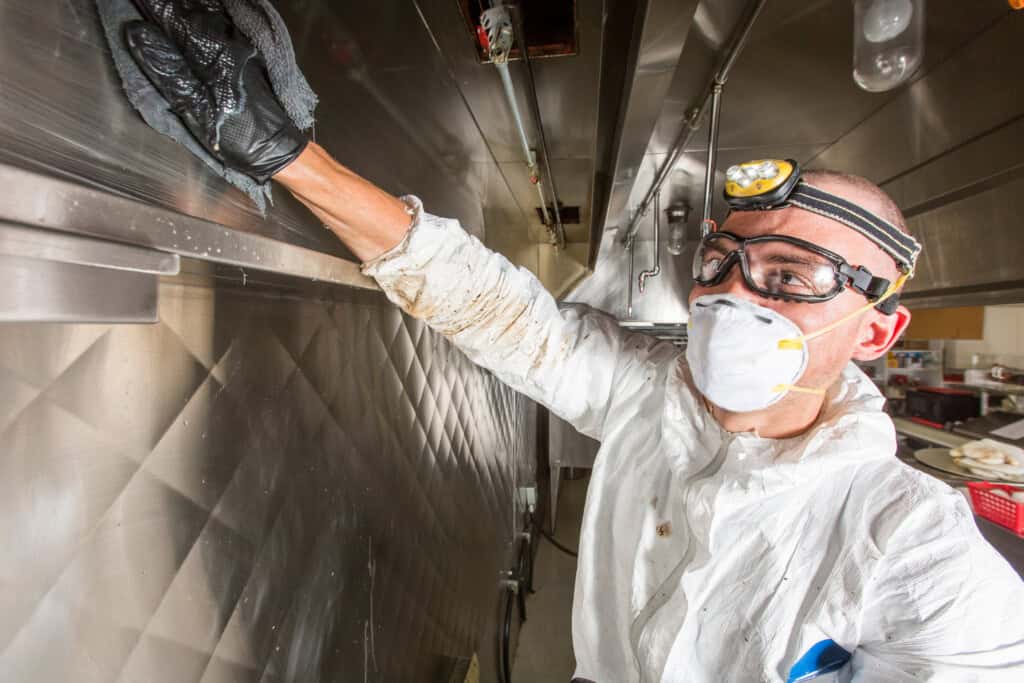
The list should include the details that only owners seem to notice: dusty exit signs, cobwebs in corners, scuffed baseboards, dirty vents, cluttered server stations, worn menus, tired planters, faded exterior signage, neglected restrooms, beat-up patio furniture, mismatched lightbulbs, and the hundred other small signals that tell guests whether a restaurant is properly cared for.
None of these details alone will ruin a guest’s meal, but together they create an impression of whether a restaurant feels loved. If there are cigarette butts along your front walkway, how does that speak for what might be hiding in your kitchen?
Invest in Future Leaders
A slower season is a great time to invest in staff training, which is difficult to do well on busy shifts with managers in triage mode. Quieter periods allow restaurants to revisit the basics: service standards, menu knowledge, wine and beverage training, and hospitality protocols.
This is also a good opportunity to identify and invest in leadership. A restaurant controller once asked, “What happens if we spend money on training, and our people leave?” A wise restaurateur replied, “What happens if we fail to train them, and they stay?”
Who on your team is hungry to learn? Who is ready for responsibility? Who would benefit from an online Excel course, wine certification, food safety training or deeper education in the business side of restaurants?
Development does not need to mean you must build a complicated internal university. Sometimes it means finding one useful course and giving a promising manager the time and encouragement to complete it.
Streamline the Guest Experience
Slower periods are ideal for auditing your guest-facing presence. Take time to update your most important marketing tools that are hiding in plain sight. Make sure your website, Google profile and reservations platform have correct hours, compelling photos and updated menus.
Even the best tools only work if they are utilized. Reservations systems like OpenTable provide space for recording guest history and preferences. Is your team utilizing these important tools to enhance hospitality? Read any automatic confirmation emails and text messages for brand positioning. Listen to your voicemail. Visit your own website on a mobile phone.
Click through like a guest to book a table, inquire about a private event or buy a gift card. Streamline any points where the process feels clunky, outdated, or confusing with the goal of removing friction. Guests want an easy YES! Don’t give people algebra when they really want simple arithmetic.
The same principle applies behind the scenes. Summer is a useful time to review HR and personnel documentation for completion and compliance. In cities that require pouring permits or similar documentation, are you up to date? Remember, having the required documentation properly filed is one thing. Your managers knowing where to find them in a panic when the health inspector walks through the door is another!
Restaurant operators tend to reward urgency. Fixing the broken ice machine deserves more attention than ensuring your employee files are alphabetized. No doubt, this is not glamorous stuff, but it is exactly the kind of work that prevents future headaches. Durable restaurants make time for the non-urgent tasks that keep the business healthy. It’s the classic distinction between working IN the business and working ON the business. That is the real opportunity of a slower season: using the time wisely to improve your operation.
The busy season will come back around, and when it does, you will be glad your battleship is ready.
 Ryan Pernice is a restaurateur who owns and operates two concepts in Roswell: Table & Main and Osteria Mattone. He has lived through the grueling early days, the “how are we still open” middle period, the growth years and finally the stage where the magic becomes consistent and the team stays aligned. His management company, R.O. Hospitality (“Reckless Optimism”), consults with other operators to achieve their vision of success.



