There is a fine line between efficiently cutting cost and sacrificing quality for revenue. In a landscape with increasing cost of goods, tariffs and taxes, it takes a focused effort not to cross this imaginary line.
Let’s begin with a couple of real-life stories. A restaurant owner was concerned that he was having an inventory problem. When I examined his financial reports with him, he expressed that he has continued to spend the same amount of money, but his inventory is shrinking instead of growing. A simple cost analysis revealed cost for the inventory was up by 40 percent or more in several categories, however, he had not raised prices since after the pandemic. I helped him understand the principle of Cost of Goods and how it affects the bottom line. This is the first rule for increasing profit margins.
Some restaurants that I have visited as a customer recently have come up with a “service fee,” added after the cost of the food but before the bill total, so it becomes part of the total ticket pre-tip. I have questioned my server about it and have gotten everything from “It is instead of printing new menus all the time” to “It is compensation for the hostess and back-of-house staff.” Uh, no! They lost my business.
In today’s competitive foodservice landscape, restaurant owners are walking a tightrope. Rising food costs, labor shortages and inflation are squeezing margins, while diners still expect top-tier quality and service. However, restaurant operators don’t have to sacrifice quality or hide fees to protect the bottom line. With the right strategies, you can control costs intelligently and sustainably.
Menu Engineering: Profit Starts on the Plate
Your menu isn’t just a list of dishes — it’s a strategic tool. Menu engineering involves analyzing the profitability and popularity of each item to make data-driven decisions. We see fewer items on most menus today for a reason. It saves restaurants from stocking ingredients to make items that may not be big sellers just in case someone orders them. This menu correction is playing out in restaurant chains around the country.
Here are some smart menu engineering tactics that can help restaurateurs bring back profits even in this tough landscape.
- Highlight high-margin items with visual cues or prime menu placement.
- Remove or rework low-margin, low-popularity dishes that drain resources.
- Cross-utilize ingredients to reduce waste and streamline inventory.
- Conduct a quarterly menu audit to align your offerings with seasonal pricing and customer preferences.
Optimize Inventory Management
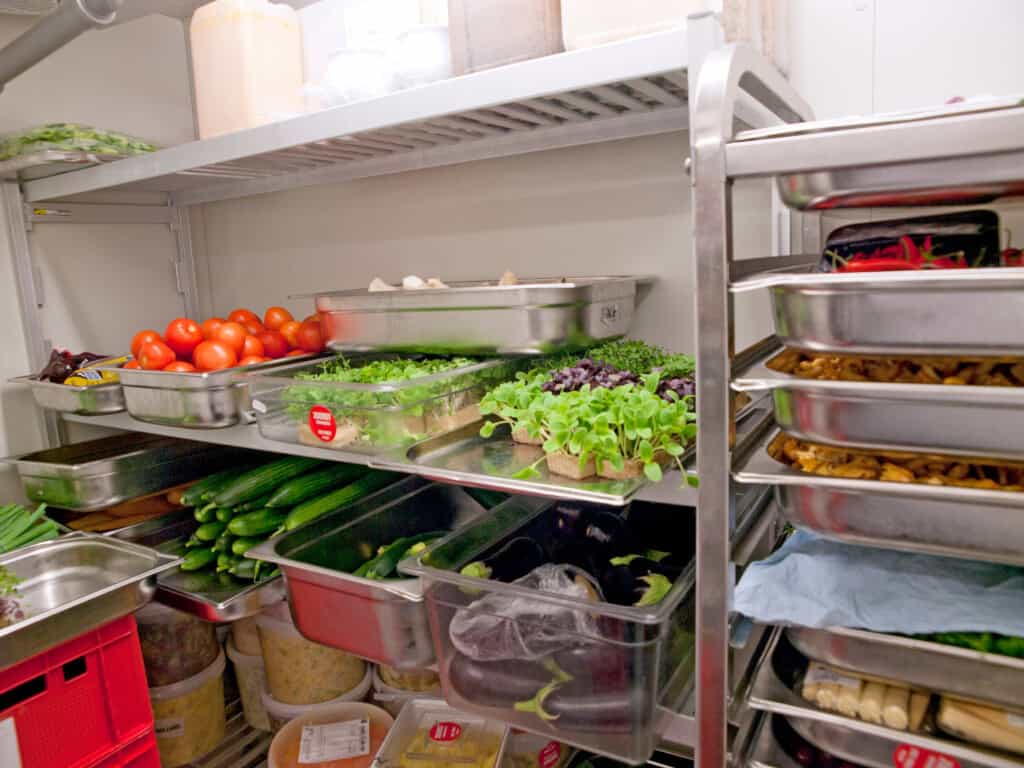
Food waste is wasted profit, plain and simple. Implementing a smart inventory system can help you track usage, reduce spoilage and avoid over-ordering.
- Use inventory management software to automate tracking and generate real-time reports.
- Apply FIFO (First In, First Out) principles in storage.
- Train staff in portion control and proper storage techniques.
Negotiate with Suppliers — and Diversify
When sourcing ingredients, do not settle for the first price you are quoted. Build relationships with multiple vendors and negotiate terms regularly. Be aware that customers will recognize the difference if you make lower quality substitutions for ingredients. One of my favorite restaurants went through this with their chicken wings when costs had soared by 70 percent. The owner tried using a different vendor, but the quality of the wings was not the same, and people quit ordering them. Luckily, wholesale prices on chicken wings recently came down, and the restaurateur was able to return to his original vendor.
Be thoughtful when making decisions about key ingredients. Compare pricing across suppliers. Buy in bulk for non-perishables to secure discounts. Consider local sourcing to reduce transportation costs and appeal to eco-conscious diners.
Embrace Technology
From kitchen to front-of-house, technology can reduce labor costs and improve efficiency. Ask AI to assist with things like scheduling and coverage. Let AI analyze traffic patterns in the restaurant to help you make smart staffing choices. POS systems with analytics can help you track sales trends and monitor labor performance. Kitchen display systems (KDS) may help you reduce ticket times and errors. Online ordering and reservations reduce phone time and improve the customer experience.
Train Your Staff and Monitor Labor Costs
Labor is one of the largest expenses in a restaurant. Instead of cutting hours, focus on scheduling smarter. Use forecasting tools to align staffing with peak hours. Always track labor cost as a percentage of weekly sales. Consider part-time or on-call staff to handle fluctuations in business.
Your team can be your biggest asset in cost control — if they are empowered and educated. Offer incentives for reducing waste or upselling high-margin items. Crosstrain employees to increase scheduling flexibility and reduce overtime. Foster a culture of cost awareness without compromising hospitality.
Rethink Your Pricing Strategy
Raising your menu prices does not have to scare off customers — if done strategically. Consider using psychological pricing. For example, price an item at $14.95 instead of $15. Bundle items into value meals to increase perceived value. Introduce premium add-ons for customization and upselling.
Just remember, controlling costs does not have to mean cutting corners — it can mean working smarter. By leveraging data, empowering your team, and embracing technology, you can protect your margins while continuing to deliver the quality your guests expect.

Daniel McCoy, MBA, SHRM-CP, VAW Certified, is a Senior Business Consultant at University of Georgia’s Small Business Development Center at Kennesaw State University.
Daniel McCoy joined the UGA Small Business Development Center at Kennesaw State University as a business consultant in September 2017, after a successful banking career as a commercial/SBA lender. Daniel spent 10+ years in upper management in the retail industry prior to banking.
He is a Certified Professional for the Society for Human Resource Management (SHRM). He has completed the “Veteran at Work” Certification and certification for “Getting Talent Back to Work” through SHRM. In 2021, he completed a Grant Writing Certification program through Kennesaw State University. In 2024, Daniel earned his Cybersecurity Certification through North Star. His expertise includes capital acquisition, human resources, government procurement/certifications, grant programs, cybersecurity and business acumens.
He was promoted to senior business consultant in 2022. Daniel was awarded Business Consultant of the Year 2022, given annually to the top business consultant at the UGA SBDC and was the Georgia State Star at the America’s Small Business Development Conference in September 2023.
He has won the Flewellen Award for Consulting Excellence five consecutive years, an award given each year to top business consultants at the UGA SBDC. Daniel has been a contributing writer for Restaurant Informer Magazine, the official magazine of the Georgia Restaurant Association, for the last three years.



