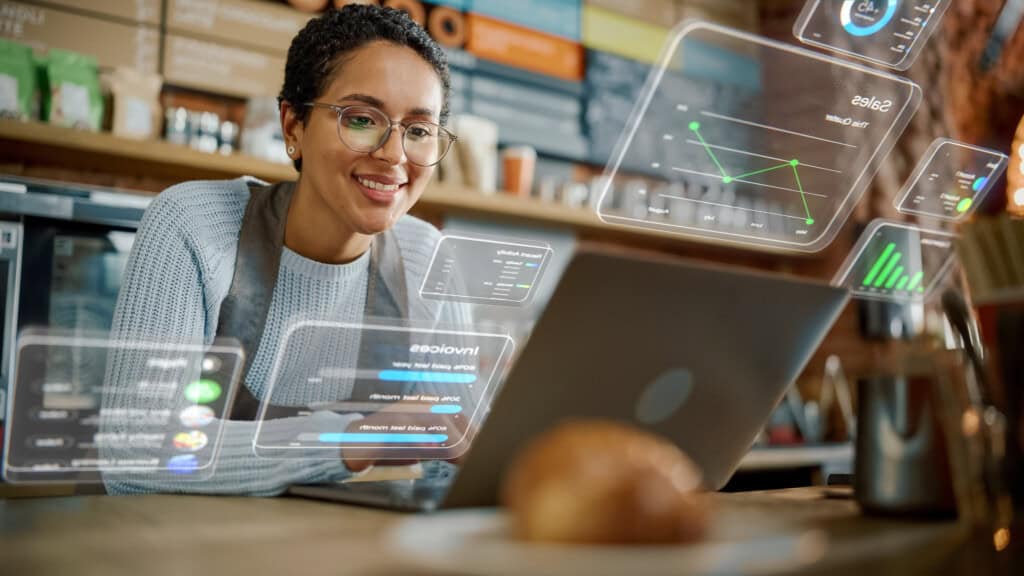
Artificial Intelligence (AI) is no longer a tool reserved for large national restaurant chains with extensive technology budgets. Today, AI platforms are accessible to independent restaurants, regional operators and multi-unit hospitality groups looking to improve both operational efficiency and guest engagement.
While much of the conversation around AI in restaurants focuses on labor savings and operational automation, one of its most powerful applications is in restaurant marketing and reputation management. Restaurants operate in a highly visible digital marketplace, where every online review, social media post and guest interaction contributes to public perception of the brand.
According to Technomic’s Restaurant Technology Study, a growing percentage of restaurant operators plan to increase investment in digital tools that support guest engagement, loyalty programs and marketing automation. These technologies help restaurants better understand their guests, personalize marketing and protect their brand reputation in an increasingly competitive market.
Data‑Driven Restaurant Marketing is On the Rise
Restaurant marketing has shifted from broad promotions to targeted guest engagement powered by data. AI-driven marketing platforms such as PopMenu Marketing, Thanx, Punchh and integrated POS tools analyze guest purchasing behavior, visit frequency and loyalty data to identify which promotions are most likely to drive repeat visits.
These platforms can help restaurants determine which promotions generate the highest return on investment (ROI), which menu items resonate with specific guest segments, when guests are most likely to return and how to personalize email and SMS campaigns to make sure that happens.
According to Nation’s Restaurant News, data-driven marketing is rapidly becoming one of the most valuable tools available to restaurant operators as guest expectations for personalized communication continue to rise. For example, a guest who frequently orders margaritas might automatically receive an invitation to a tequila tasting event or a promotion tied to Taco Tuesday. This type of targeted marketing can help operators increase visit frequency while strengthening guest relationships.
Managing Online Reviews and Protecting Brand Reputation
Online reviews are one of the most powerful drivers of restaurant traffic. Research from BrightLocal and Technomic consistently shows that most restaurant guests read online reviews and Google scores before deciding where to dine. Because of this, reputation management has become a core component of restaurant marketing strategy.
AI-powered platforms such as Ovation, Marqii and ReviewTrackers help restaurants monitor reviews across multiple platforms and respond quickly to guest feedback.
These tools allow operators to analyze guest sentiment across review platforms, identify recurring operational issues, draft consistent responses aligned with their brand standards and track their reputation scores across locations.
According to QSR Magazine, guests are significantly more likely to return to a restaurant when management responds to feedback quickly and professionally. AI-generated responses should still be reviewed by management to ensure they match the restaurant’s tone and guest recovery policies, but these tools dramatically reduce the time required to manage online reputation.
Use AI to Create Social Media Content
Maintaining consistent social media engagement can be challenging for restaurant operators who are focused on daily operations. AI marketing tools such as ChatGPT, Hootsuite, PopMenu and Sprout Social can help restaurants with this by generating social media captions, promotional campaign ideas, content calendars and seasonal campaigns for social media marketing.
These platforms also analyze engagement performance and recommend optimal posting times and formats, allowing restaurants to increase visibility without significantly increasing marketing workload.
According to Restaurant Business Online, social media has become one of the most effective ways for restaurants to build brand loyalty and create community engagement, particularly with younger dining demographics.
Leverage AI Forecasting to Improve Marketing Decisions
AI forecasting tools built into platforms such as Toast, Restaurant365 and xtraCHEF can help restaurateurs analyze POS history alongside weather patterns, holidays and local events to predict future sales.
These insights help restaurant operators align marketing efforts with demand patterns. Examples include promoting slower weekdays to drive incremental traffic, timing campaigns around major local events and launching limited time offers during high demand periods.
By connecting operational forecasting with marketing initiatives, restaurants can improve revenue performance while maintaining service standards.
The Future of AI in Restaurant Brand Management
To ease the minds of restaurant employees, we can confidently say that AI will not replace hospitality professionals. Instead, it will help restaurant teams spend less time on repetitive administrative tasks and more time focusing on guest experience and brand development.
By automating functions such as marketing analysis, review responses, forecasting and guest communication, AI allows operators to focus on what matters most—delivering memorable hospitality.
Restaurants that adopt AI strategically today will be better positioned to compete in an industry where digital reputation, guest engagement and marketing effectiveness increasingly determine success.
 Jay Bandy is the President of Goliath Consulting Group, a restaurant industry advisory firm that helps restaurant owners, investors and hospitality brands improve operations, profitability and growth strategy. With decades of experience in restaurant operations, technology implementation and multi-unit brand development, Jay works with independent restaurants, regional chains and emerging concepts across the United States.



