Excerpted from Restaurant INFORMER, 2014, Vol. 3, Issue 7
By Lara Creasy
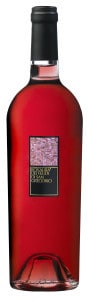
If you do not have a rosé on your by-the-glass wine list, now is the time to put one on. As the pink wine’s popularity grows with consumers, factors such as the production, selling, and seasonality of the wine come into play.
How is Rosé Made?
There are several ways that wine can take on that rosy hue. For sparkling rosés, winemakers simply blend red wine and white wine together. For still rosés, other methods are employed. One method is called saignée, in which the free-run juice is “bled” off of red grapes as they crush under their own weight. Rosé can also be made with a more purposeful pressing of red or black grapes, until just enough color is present in the juice. Most rosé, however, gets its color from limited maceration, in which the juice remains in contact with the grapes’ red skins for several hours, rather than several days as it would in red wine production. The length of time the juice remains on the skins will determine the depth of color the rosé will exhibit.
Sometimes rosé is a purposeful creation, and sometimes it is a by-product of red wine production, in which the free-run juice is carted away to make rosé, and the remaining juice in the red grapes is pressed to make for a more concentrated and deeper red.
Coincidentally, this by-product was the origin of the “rosé” that most of us probably experienced first: White Zinfandel. Originally made by Sutter Home as a by-product of red zinfandel production in the early ‘70s, the White Zin as we know it came about when their blush wine experienced a “stuck fermentation” and they added sugar to give the yeast a little more to chew on. A legend was born when sales of the sweet, pink wine skyrocketed. Even as recently as September of 2013, White Zin accounted for 7.2 percent of U.S. wine sales, just .3 percent behind pinot noir, according to Statistic Brain.
Steven Trager, manager and sommelier at Ray’s on the River, says White Zinfandel is still more successful at his restaurant than dry rosé. Still, there are many consumers who don’t like sweet wines, and many restaurateurs and sommeliers that don’t want to serve mass-produced wines in their establishments. Some would even argue that White Zinfandel gave rosé a bad rap that has taken decades to shake. Thankfully, there are currently hundreds of smaller production dry rosés on the market to come to the rescue.
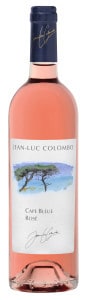 How Much Rosé Can You Sell?
Most beverage managers and sommeliers I asked agreed with me that these days, for restaurants, at least one rosé by the glass is required. Some even have success pouring several in the warmer months.
“I am able to offer more options because of the different bars within the restaurants,” says Eduardo Guzman, beverage manager at JCT. Kitchen & Bar and The Optimist. “In addition to sparkling rosés, which I’m a fan of, I always try to have different styles in the dining room and in the bar [at each restaurant]. During the ‘rosé season,’ I like to feature two different styles in the dining room, for example, a French and a Spanish.”
This ability to market multiple rosés at Atlanta restaurants is a fairly new phenomenon. “Five years ago I had a lot of restaurant buyers tell me, ‘Rosé just doesn’t sell here,’” says Jennifer Martha, sales consultant with Ultimate Distributors. “I would feel like, ‘Of course it doesn’t, because you don’t have one on the list!’” She goes on to tell me that retail still outsells on-premise when it comes to rosé. However, a few of her restaurant accounts, such as JCT. Kitchen, Watershed, Restaurant Eugene and Krog Bar, are able to move rosé better than most due to staff eduction.
“First you have to put it on the list and then get the staff excited about it,” she says. “Now, most restaurants will tell you that they have to have a rosé by the glass. Hooray! When the servers and bartenders love it, it flies.”
Others in the industry agree. “I remember I had one rosé on my list when I was the buyer at Rathbun’s,” says Kristine Lassor, who is now the in-house sommelier for National Distributing Georgia. “Wine reps were always wanting me to add more rosés, but I had a hard time selling the one that I had. People in the industry were usually the ones drinking the rosé at the time. This was 8 years ago. [Now] I’ll walk into a restaurant in May and see a whole bar full of people drinking rosé!”
Part of the change in perception may be due to a broader selection of options now on the market.
“The proliferation of new-world dry rosé from really great producers has made it more accessible and easier to find,” says Anderson from No. 246. “When consumers can try a Malbec rosé from a producer they trust or a Pinot Noir rosé from California, they are already more comfortable. Plus when the wine is yummy and not hard to understand, it makes everyone happy.”
Prices for good rosés are generally affordable as well, which makes for an easier sell. Lassor says, “People have gotten used to paying up to $20 for a good glass of wine in a fine dining restaurant. Most rosés fall in the $10-12 price point. I don’t think it’s a huge risk for people to order it and try it.”
Trager agrees. “In my personal opinion, an inexpensive rosé does not mean a bad one. On the contrary, there are some phenomenal wines at a great value.”
Does Season Really Matter?
Is rosé’s obvious success during the spring and summer months due to supply or demand? Clearly the release of European rosés in March triggers patio fever to some extent. But with more Southern Hemisphere rosés on the market, and with rosé’s food pairing potential, rosé season can extend through the entire year.
Both Martha and Lassor said that their companies try to keep at least a few rosés in stock all year, with Martha adding that rosé can see a little sales pop around the holidays.
“Personally, I think its a year-round drink; that’s why we try to offer one all year,” says Blake Morley, general manager at Kevin Gillespie’s Gunshow in Atlanta. “Sales during the winter months generally lag, but that’s the problem, right? People still assume rosé is a porch wine to be enjoyed during the summer months. Granted it works as that, but the applications during the winter months are endless, for example [pairing with] winter root vegetables, winter citrus, grilled meats and smoked fish.”
Anderson says he loves to pair rosé with Chef Drew Belline’s trout dishes; Lassor says it can work with anything from cheese and charcuterie to burgers. Guzman even goes so far as to suggest a rosé Cremant de Bourgogne with the foie gras on The Optimist’s menu.
Clearly the pairing possibilities are limitless.
As with anything, belief in what you are doing is the first step to success. Choose a rosé appropriate for your menu, train your staff to sell it confidently, and your guests will follow your lead. That’s where the magic happens.



